01FREEDOM
Files I can open
without the app.
Many self-hosted apps store data in plain text or SQLite. Before I commit to a tool, I check that I can export my data.
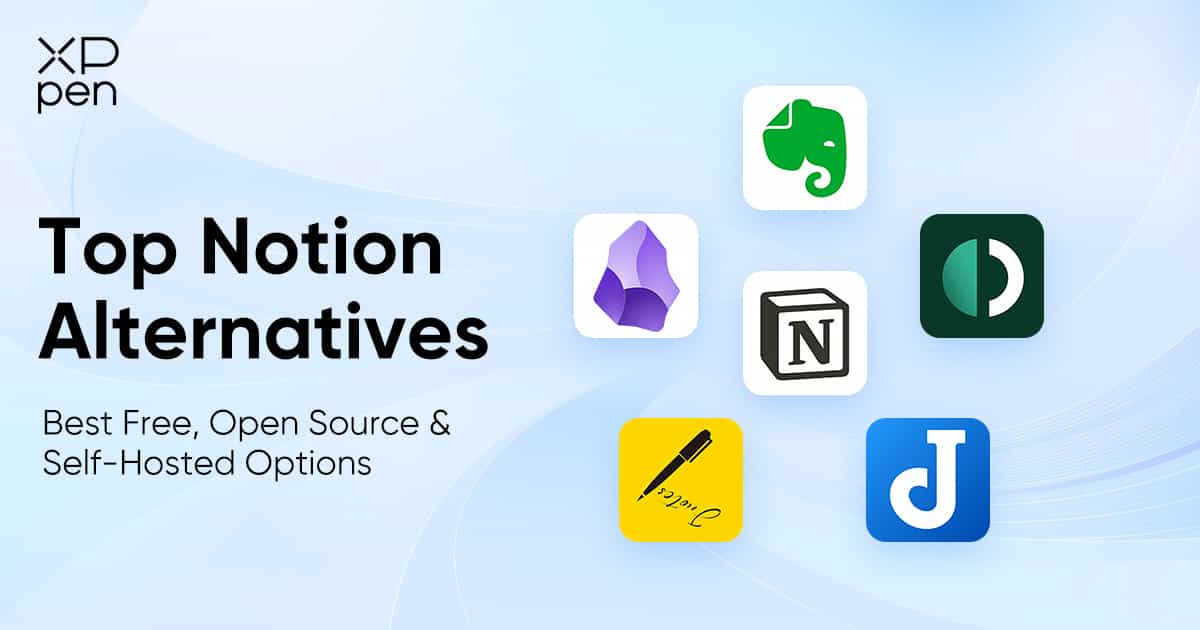
Type the app you're paying for. I'll show you the open-source or self-hosted alternatives, and what you give up by switching.
AppFlowy
Local-first notes, documents, and databases in one workspace. The open-source alternative to Notion.

Open-source alternatives
to apps you already use

Replace the apps you use every day with tools that give you more freedom. Write, plan, organize, and collaborate without building your workflow around someone else's platform.











I didn't leave paid software on principle. I left because my data was easier to take with me.
Many self-hosted apps store data in plain text or SQLite. Before I commit to a tool, I check that I can export my data.
I look at what an app stores, whether it needs a cloud account, and if anyone still maintains it.
My tools run on the laptop I already own, so there's no hosting bill. Some cost time to set up instead.
Nothing here is tied to a license or a login, so anyone can install the same tools. Some take more setup than others.
Reviews, comparisons, guides, and best-of lists for open-source and self-hosted software.



No paid listings, no sponsored reviews. Each tool is checked on three things before I list it.

I check that the tool still runs without an outside account or server. A useful tool shouldn't stop working because a login page is down or a company shuts off a service. If it needs one, the review says so.
I look for standard export formats and simple backups before anything else. Your notes, files, and settings should leave with you, so switching to another tool never means starting over or losing your work.
I look beyond the label. Licensing, development activity, project governance, and long-term direction all matter when deciding whether a tool offers real openness rather than simply using the term as marketing.
I run SourceSwap on my own. Here's what people usually ask before trusting a recommendation.
A tool has to solve a real problem, be actively maintained, and let you keep control of your data. I don't copy trending lists or publish sponsored roundups.
No. Nobody can pay to be listed, ranked, or reviewed favorably, and vendors don't see a review before it goes up. Once money decides what gets promoted, a directory stops being useful.
I install it myself, in Docker or directly on my machine, and try it with real data. I check how it behaves offline and whether the export works, so leaving never means losing your work.
Through display ads and affiliate links. Affiliate links never appear in the directory, comparison tables, or top picks, and neither one changes what gets listed. The full details are on the editorial policy page.
Yes. If an open-source or self-hosted tool isn't listed yet, you can submit it. I check it against the same three points as everything else before deciding whether to test and list it.
No. Self-hosting is a big part of it, but I also cover local-first apps, desktop software, browser tools, and hosted services that use open formats and respect your data.